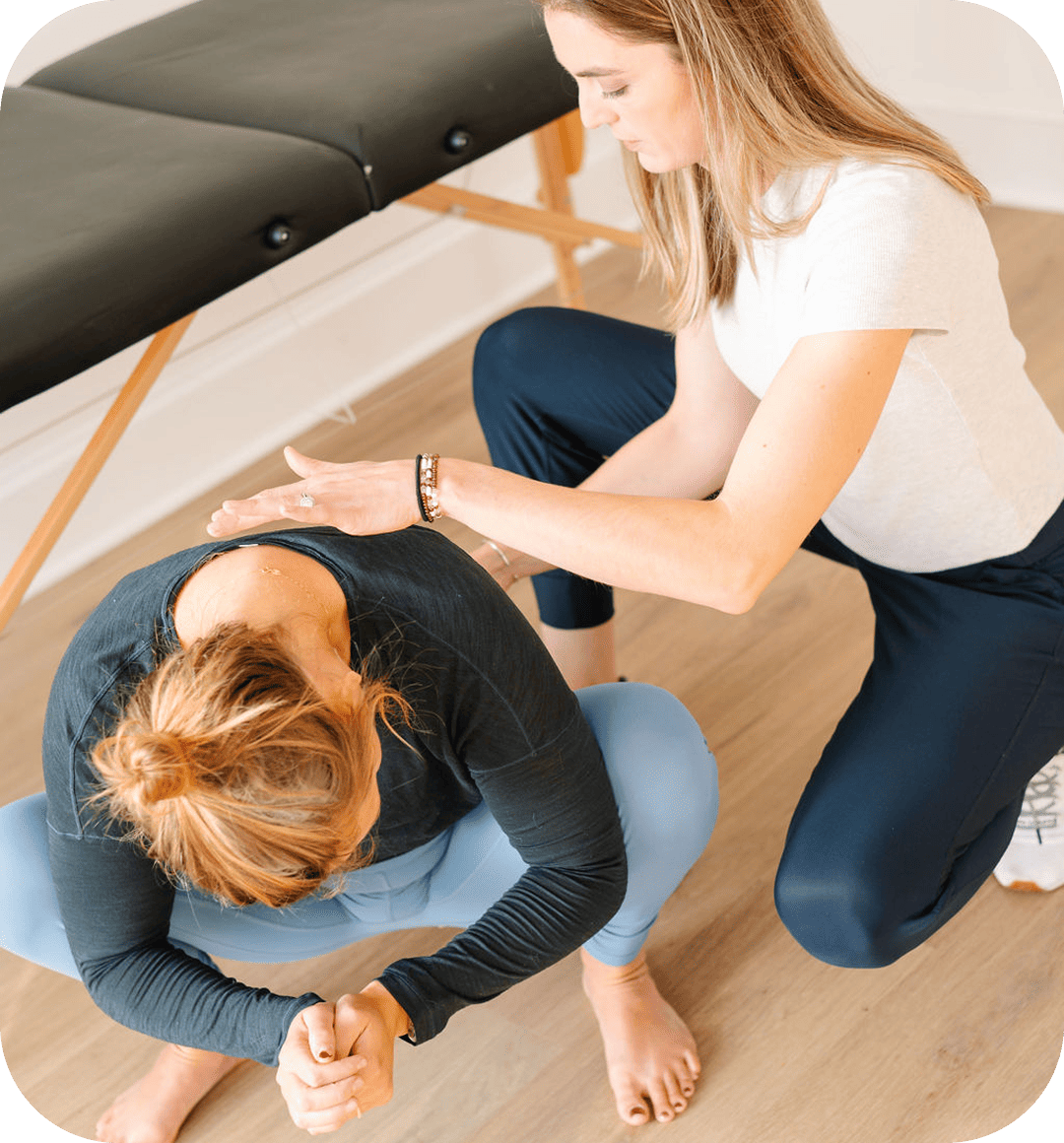
Why Everything Feels Heavy Down There By the End of the Day
Raise your hand if you feel totally fine in the morning, but by the time dinner rolls around something down there feels... off.
Heavy. Draggy. Like there's pressure that wasn't there at 8am. Some people describe it as a tampon that's about to fall out, even when there's no tampon. Others just say it feels like everything is sitting lower than it should.
Usually it's accompanied by the fear that your uterus is falling out of you… it’s likely not, but something is off!
Why It Gets Worse As the Day Goes On
If something were really wrong, wouldn't it hurt all the time?
Not necessarily. The timing actually tells us a lot.
Gravity is working against your pelvic floor every minute you're upright. Standing, walking, lifting, chasing kids, working a shift on your feet. All of that puts a downward load on the muscles and connective tissue holding your pelvic organs in place.
In the morning, after a night of lying down, those tissues have had a break. They're fresh. Everything sits where it should.
By evening, they're tired. And tired tissue doesn't hold position as well. So the heaviness shows up late in the day because that's when your support system has been working the longest.
If your symptoms are worse at night and better in the morning, that's not random.
What That Heaviness Usually Means
Most of the time, that dragging sensation is pelvic organ prolapse.
I know. That term sounds alarming. It brings up images of something dramatic and irreversible, and that is not what we're talking about here.
Prolapse simply means the tissues that support your bladder, uterus, or rectum have stretched or weakened, so those organs are sitting lower in the pelvis than they used to. That's it.
It is incredibly common. And here's what matters most: the vast majority of cases are mild to moderate, and they respond really well to pelvic floor physical therapy. Surgery is not the default answer and it's not where we start.
What Causes It in the First Place
Prolapse develops from repeated or sustained downward pressure on the pelvic floor over time. The usual contributors are...
- Pregnancy and delivery, especially vaginal delivery, though C-sections aren't automatically protective
- Chronic constipation and straining on the toilet
- A long-term cough, from allergies, asthma, or smoking
- Heavy lifting with poor pressure management, at the gym or at work
- Hormonal changes around perimenopause and menopause that affect tissue strength
- Jobs that keep you upright for eight or ten hours at a stretch
Notice how many of those are just... life. This isn't something you did wrong. It's an accumulation of load over years.
Other Signs Worth Paying Attention To
Heaviness is the most common complaint, but it often travels with other symptoms people don't connect to the same cause.
- A sensation of something bulging or sitting at the vaginal opening
- Tampons that won't stay in place or feel like they shift
- Trouble fully emptying your bladder or bowels
- Needing to change position to finish urinating
- Low back or pelvic aching that builds through the day
- Symptoms that noticeably worsen right before your period
If you're nodding along to several of these, they're likely all pointing at the same thing.
What Actually Helps
This is where people get relieved, because there's a lot we can do.
At Lynne DiPirro Performance, treatment for pelvic heaviness and prolapse usually includes...
- A full assessment to determine what's happening and how significant it is
- Targeted strengthening to improve how well your pelvic floor supports your organs
- Pressure management training, so coughing, lifting, and exercising stop making things worse
- Constipation and toileting strategies, because straining is one of the biggest ongoing contributors
- Breathing work to coordinate your diaphragm and pelvic floor
- Guidance on pessaries if that's a good fit for you, which many people find hugely helpful
- Practical adjustments to how you lift, stand, and move through a long day
Most people notice meaningful change in how their body feels at the end of the day within a couple of months.
You Don't Have to Just Push Through It
There's a version of this where you keep going, keep not mentioning it, and slowly stop doing the things that make it feel worse. Fewer long walks. Skipping the gym. Sitting down more.
That's not a solution. That's your world getting smaller.
If your evenings come with a heaviness you've been quietly managing, there's a real explanation and a real path forward.
FAQ
Why does pelvic pressure feel worse at night?
Gravity loads your pelvic floor all day while you're upright. By evening, those tissues are fatigued and hold position less effectively, so heaviness becomes more noticeable. Symptoms usually improve overnight when you're lying down.
Is pelvic organ prolapse serious?
Most cases are mild to moderate and are not dangerous. They are uncomfortable and they affect quality of life, but they respond well to pelvic floor physical therapy. Surgery is reserved for more significant cases that don't improve with conservative treatment.
Can prolapse be reversed without surgery?
Symptoms can improve significantly with pelvic floor PT, and many people become largely symptom free. Treatment focuses on improving support, reducing downward pressure, and changing the daily habits that make it worse.
Can you get prolapse without having given birth?
Yes. Chronic constipation, long-term coughing, heavy lifting, hormonal changes, and genetics can all contribute. Childbirth is a common factor but it is not the only one.
Where can I get treated for pelvic heaviness in Massachusetts?
Lynne DiPirro Performance offers specialized pelvic floor physical therapy in Massachusetts. Book a consultation call to get started.
Ready to take the next step?
If anything in this article sounded familiar, you don't have to keep wondering or waiting. Lynne DiPirro Performance offers personalized pelvic floor physical therapy in Massachusetts. Your symptoms have a reason, and most of the time, they're very fixable.
Book a consultation call with Lynne DiPirro Performance today. www.lynnedipirroperformance.com/consultation-form
Start Feeling Better Today!
Download Your Free Guides
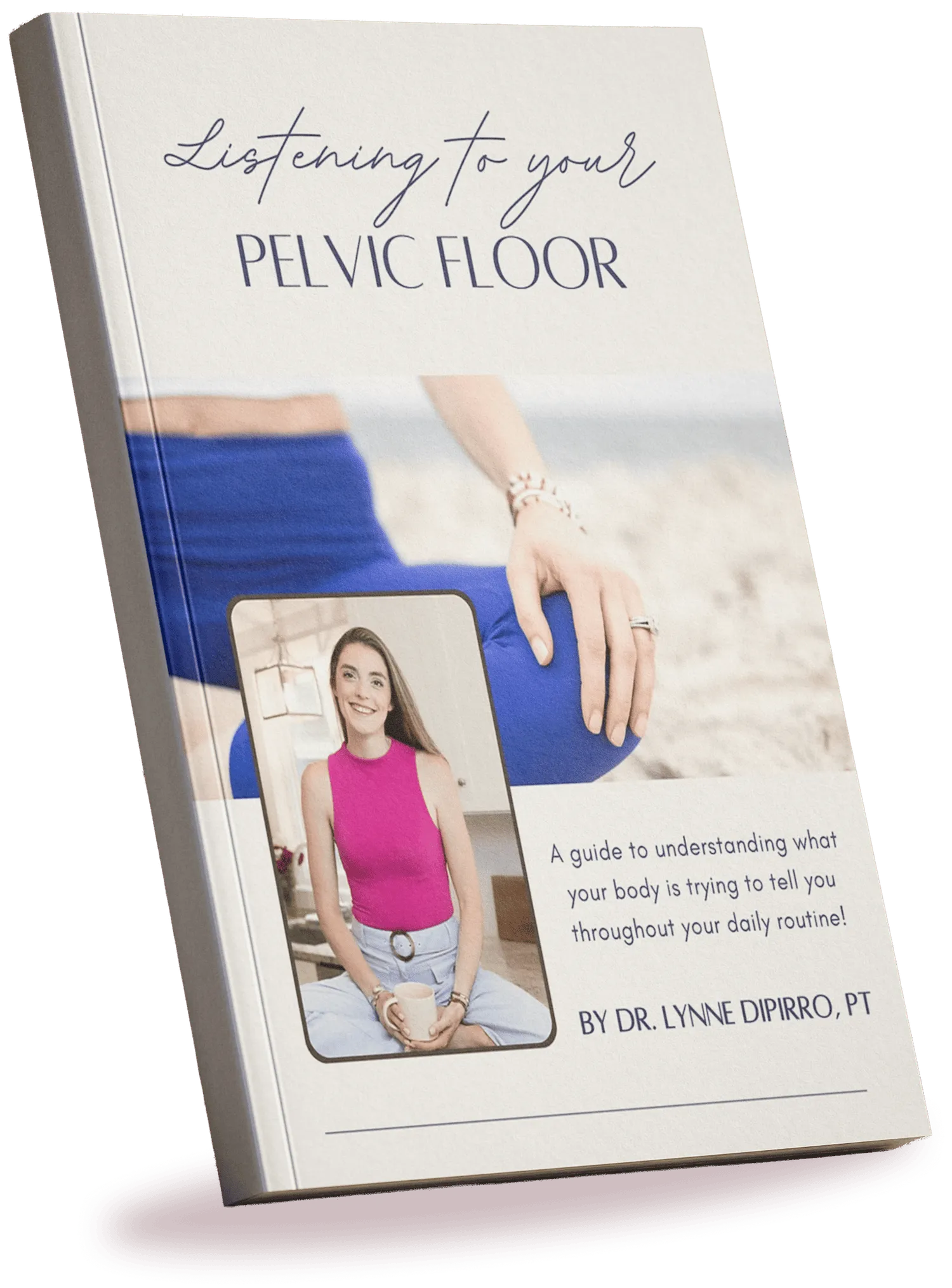
Listening to Your Pelvic Floor
This guide includes information and tips I share with my own clients every day!
Use this guide to figure out what your pelvic floor is telling YOU and find tips on how to start taking care of it TODAY!!!
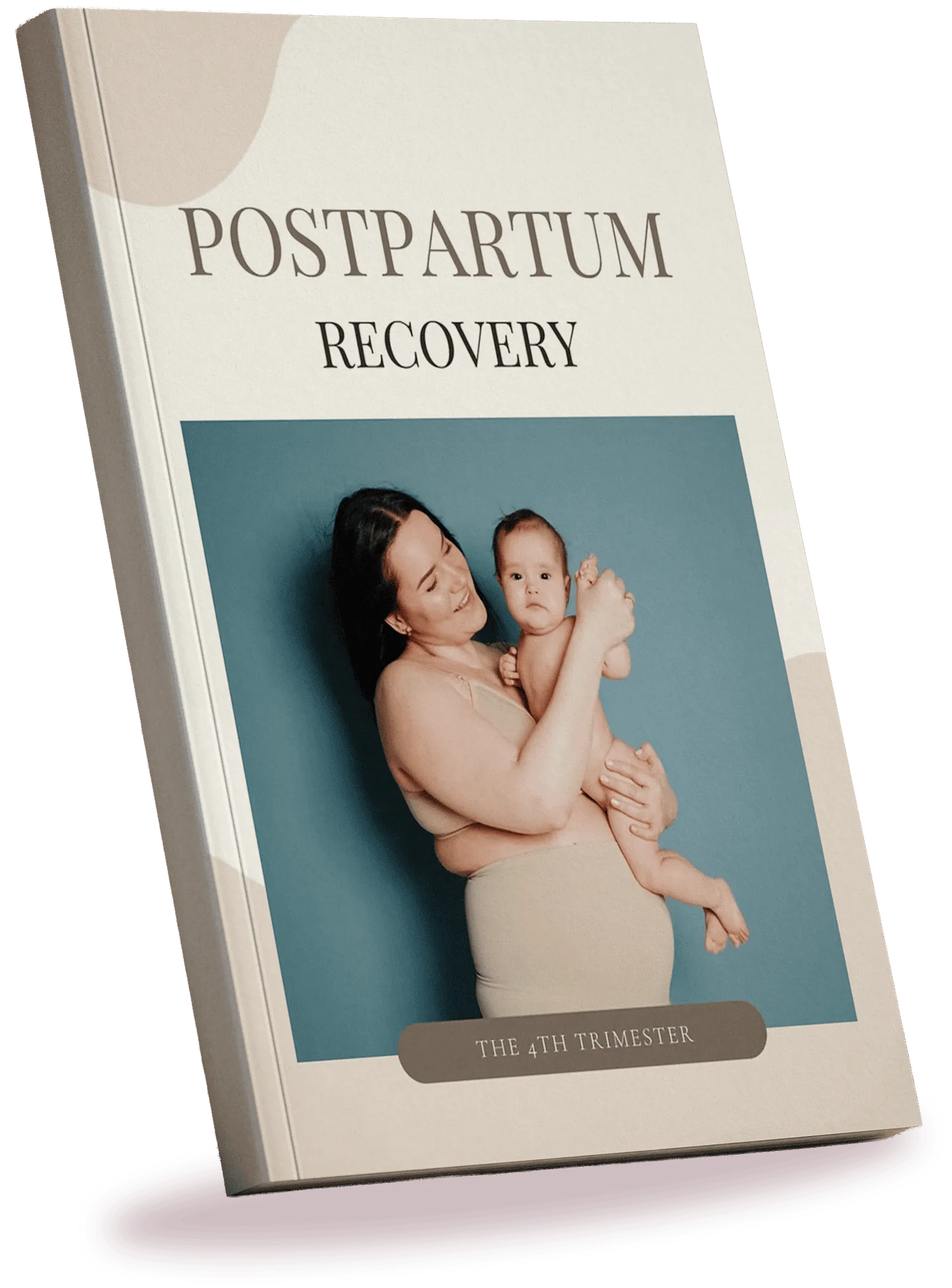
Postpartum Recovery
This guide includes information and tips I share with my own clients every day!
Use this guide to figure out what your pelvic floor is telling YOU and find tips on how to start taking care of it TODAY!!!